
How to Avoid Deteriorating Quality from Plastic Injection Molding Suppliers
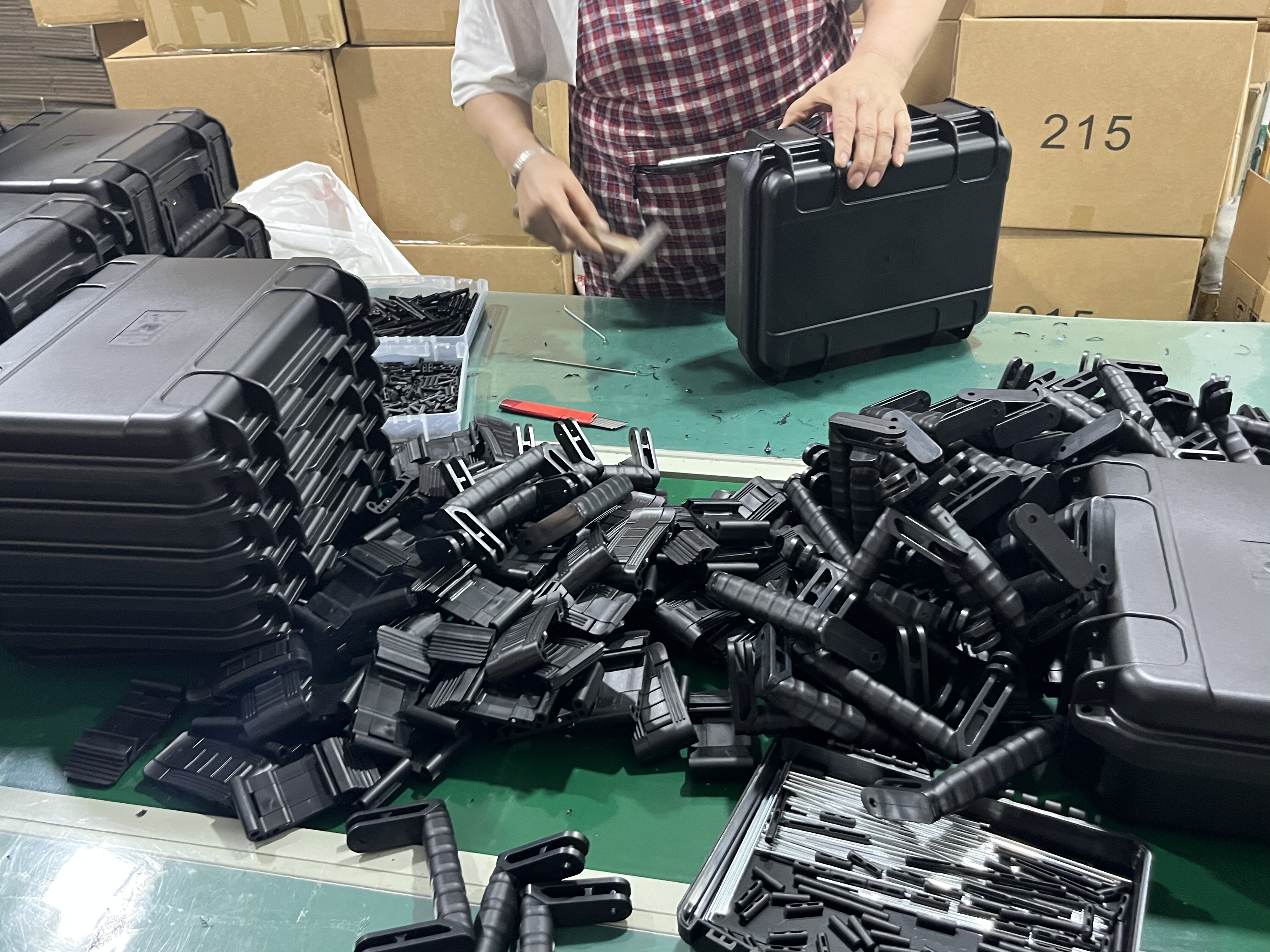
Every product has the customer's official acceptance criteria. But beyond these criteria, we have another deeper level of quality checks. These checks don't only happen at the final finished product inspection — they are built right into the production process. We usually call this in-process inspection.
Sometimes we make the same product for years. It may look exactly the same on the surface, but it gradually feels less solid in quality. This often happens when we skip proper in-process checks, or when production processes drift, or raw materials and accessories get changed without proper review.
Take our waterproof box as an example. The diameter of the hinge pins directly affects how smoothly the box opens and closes.
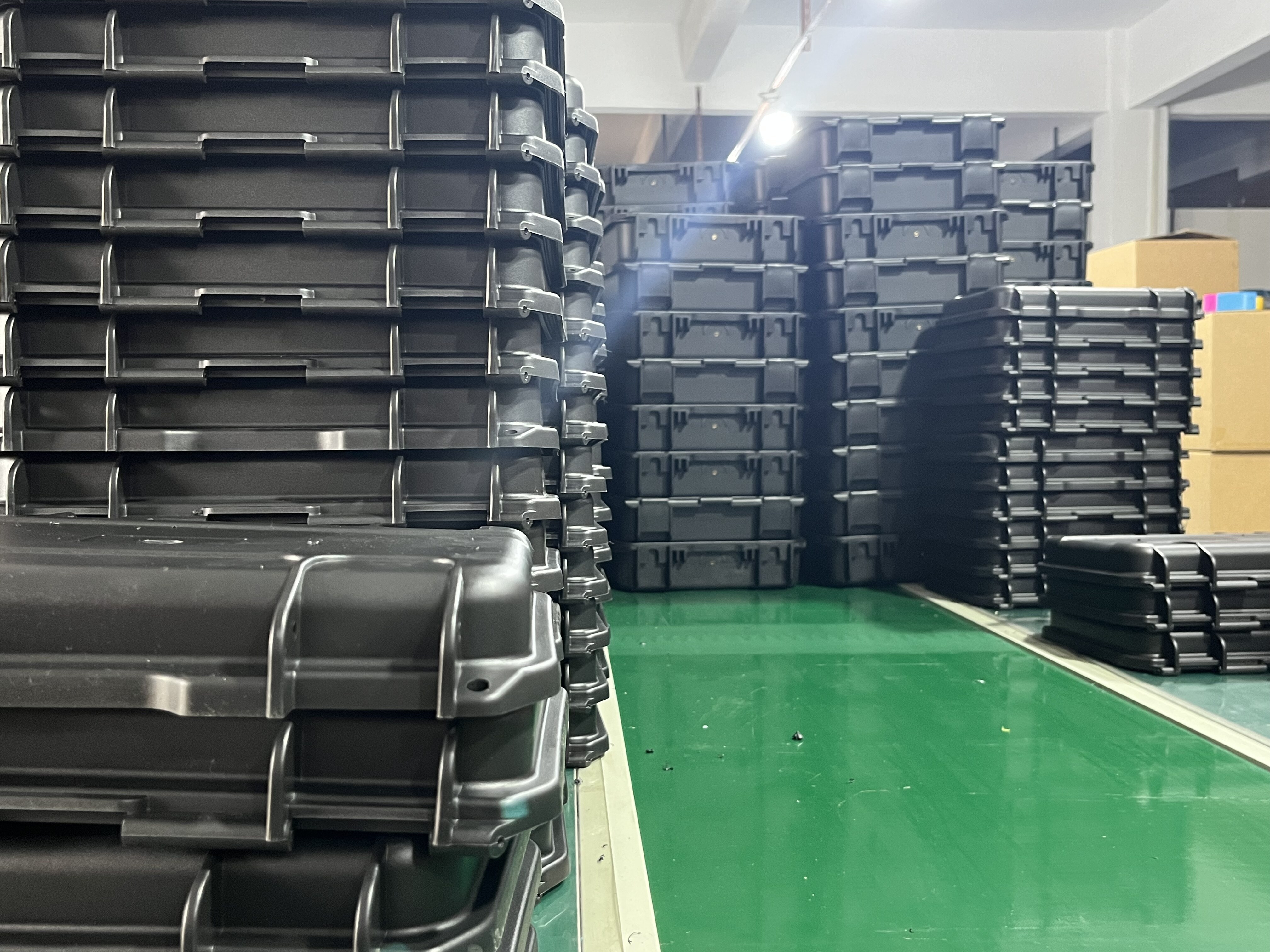
So here's what we do: We create a detailed core quality specification document. It's not just about surface checks like appearance, dimensions, color or shipping marks. We also go back to understand the original design intent from our product development team. The designers' original vision defines the fine, consistent quality of the product.
After the first production run, we work closely with the production team to review production efficiency. We then finalize a document that balances quality standards and cost controls.
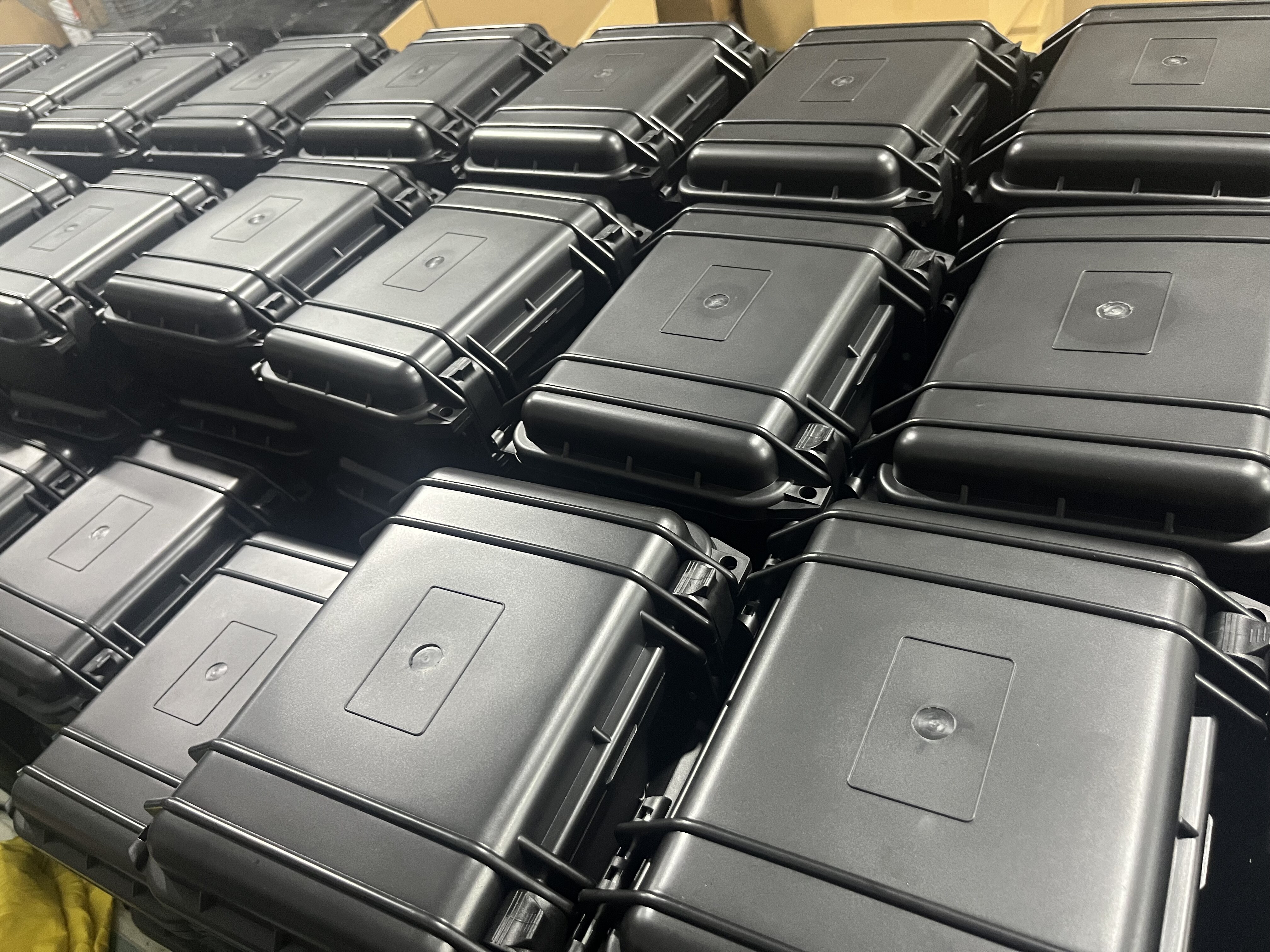
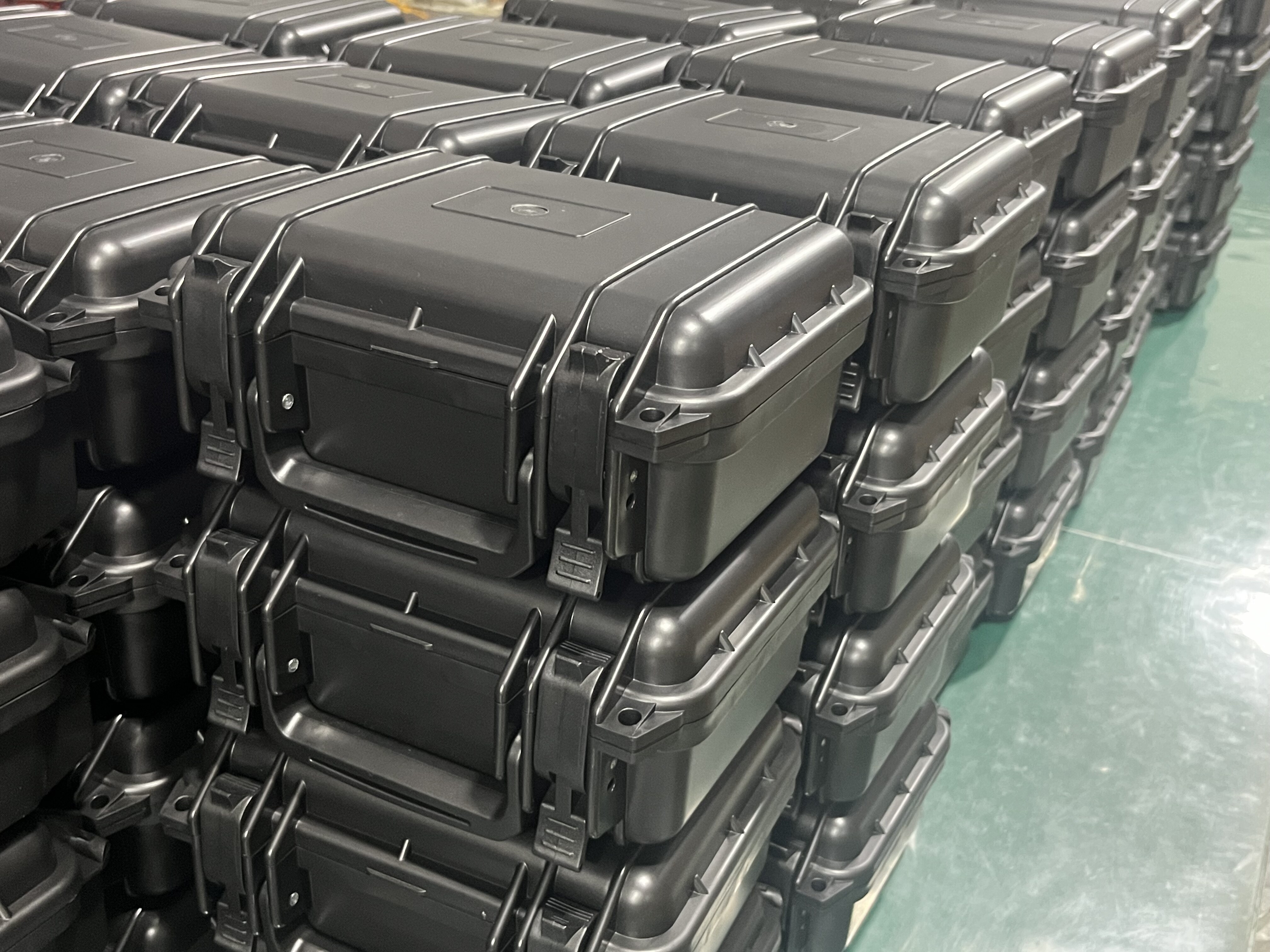
The last key step is consistent execution — we take this very seriously. In this industry filled with copycats and price competition, this is how we keep customers reordering with us for over a decade: the great consistent feel and usability of our products.
Key Quality Principles
- •In-process inspection built into every production stage, not just final checks
- •Core quality specification document based on original design intent
- •Balance between quality standards and cost controls through production team collaboration
- •Consistent execution over years maintains customer trust and repeat orders